
Visceral fat guide
Visceral fat: what it is, the risks and how to reduce it
Visceral fat is the fat stored deep in your abdomen around organs such as the liver and intestines. Singapore's HealthHub notes it is metabolically active and raises the risk of type 2 diabetes and heart disease. A waist above 90 cm in Asian men or 80 cm in Asian women points to abdominal obesity. Reducing overall body fat reduces it.
Get it on Google Play → Join the iPhone waitlist Available on Android and on the web. iPhone coming soon. Free to start.
- Visceral fat sits around your organs and carries more health risk than fat under the skin.
- Waist size is the simple check: above 90 cm (men) or 80 cm (women) for Asian adults.
- You cannot target it with sit-ups. A calorie deficit, 150 to 300 minutes of activity a week and good sleep reduce it.
What is visceral fat?
Visceral fat is fat packed around your internal organs inside the abdomen, unlike the subcutaneous fat you can pinch under the skin. HealthHub describes it as metabolically active: it releases fatty acids and inflammatory substances and hormones that can raise LDL cholesterol, blood glucose and blood pressure.
Why is visceral fat dangerous?
Health Promotion Board guidance links abdominal obesity with a higher risk of type 2 diabetes, cardiovascular disease, dementia and certain cancers, and describes visceral fat as a worse culprit than subcutaneous fat. That is why waist size matters even when your weight or BMI looks acceptable.
How do I check for too much visceral fat?
| Check | Men | Women |
|---|---|---|
| Waist circumference (Asian abdominal obesity threshold) | Above 90 cm | Above 80 cm |
| Waist-to-hip ratio signalling higher risk | Above 0.90 | Above 0.85 |
To measure your waist, keep the tape close to the skin, midway between your lowest rib and the top of your hip bone, and read it as you breathe out. Imaging such as a CT, MRI or DEXA scan can measure visceral fat directly, but a tape measure is the practical starting point. Try the waist-to-hip ratio calculator.
How do I reduce visceral fat?
HealthHub's advice for reducing abdominal fat includes cutting back on sugar, saturated fat and salt, choosing wholegrains, eating plenty of fruit and vegetables, controlling portions and drinking mostly plain water. It also recommends 150 to 300 minutes of moderate aerobic activity weekly and sleep and stress management.
- Eat a modest calorie deficit and watch portions.
- 150 to 300 minutes of moderate activity a week, plus muscle-strengthening on two days.
- Sleep well and manage stress.
Can I lose visceral fat with sit-ups?
No. Abdominal exercises strengthen muscle but do not selectively burn the fat above them. A six-week study of abdominal exercise found no special loss of abdominal fat compared with no exercise. Visceral fat falls as total body fat falls, so combine activity with a calorie deficit.
How fast can I lose visceral fat?
There is no fixed timetable, because it depends on your starting point, diet, activity and sleep. A steady 0.5 to 1 kg of weight loss a week is the usual safe pace, and waist size often shrinks along the way. Re-measure your waist every few weeks rather than relying on the scale alone.
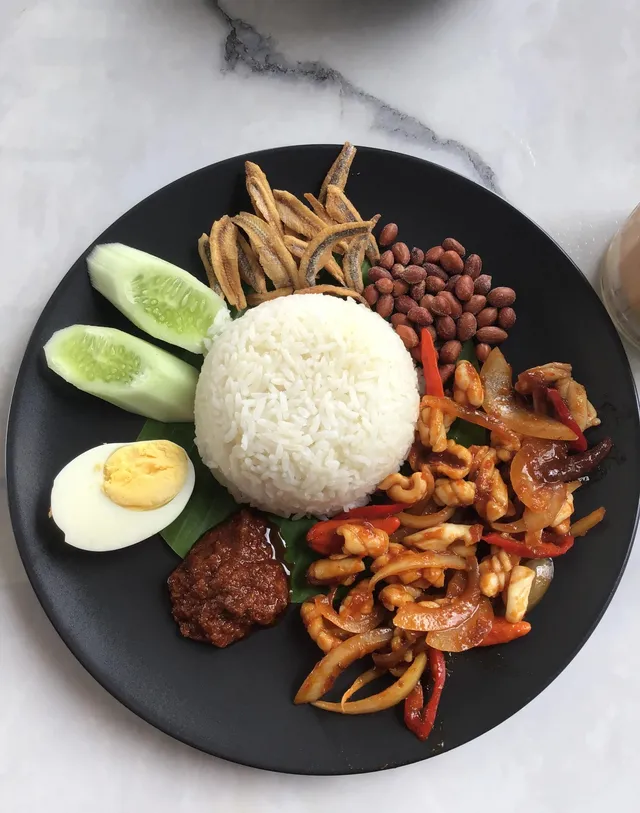
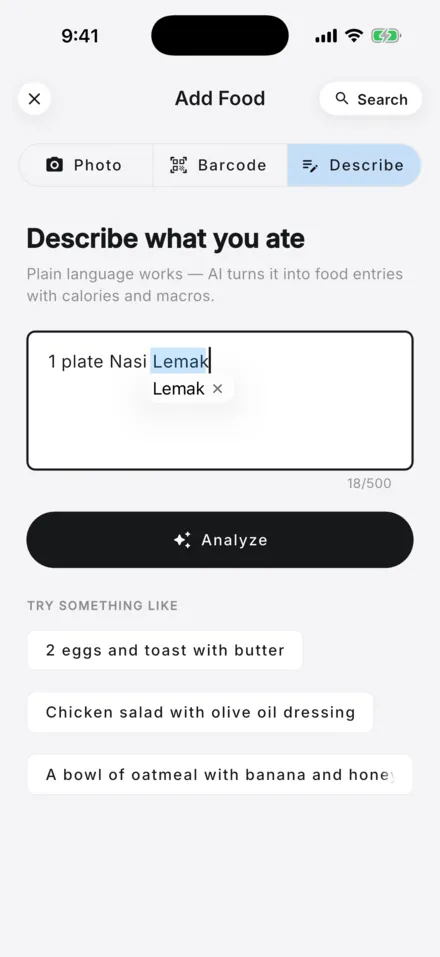
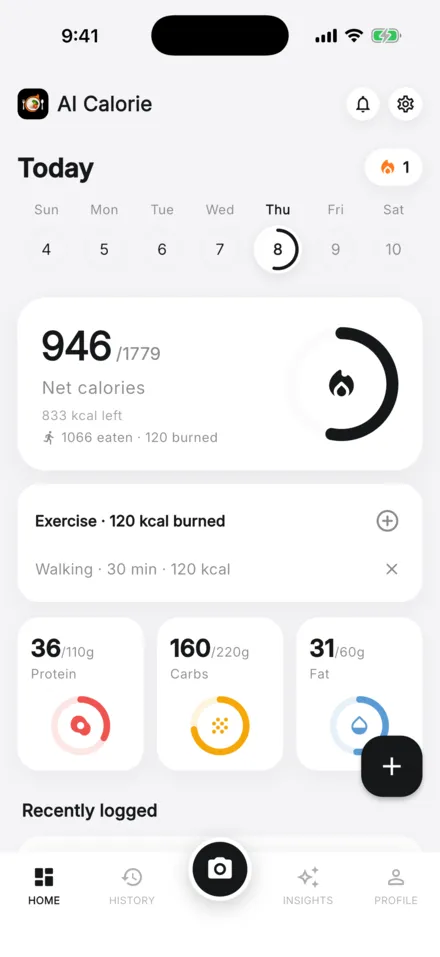
The app screenshots show the current English interface.
See AI Calorie in 39 seconds


Sources
- HealthHub (Health Promotion Board, Singapore), "Understanding abdominal obesity" (waist above 90 cm for Asian men and 80 cm for Asian women; waist-to-hip ratio above 0.9 in men and 0.85 in women; visceral fat; reducing abdominal fat). healthhub.sg, checked 11 November 2026.
- Vispute SS, Smith JD, LeCheminant JD, Hurley KS. "The effect of abdominal exercise on abdominal fat." J Strength Cond Res 2011;25(9):2559-2564.
- NHS, "Tips to help you lose weight" (150 minutes of activity a week, 0.5 to 1 kg a week, do not lose weight suddenly, do not skip meals). nhs.uk, checked 7 November 2026.
Related: BMI chart · body fat calculator · how to lose weight safely
AI Calorie gives general nutrition information and AI-generated estimates. It is not medical advice. See medical review and our Terms of Use.